Sleep Apnea Doesn’t Have to Control Your Nights
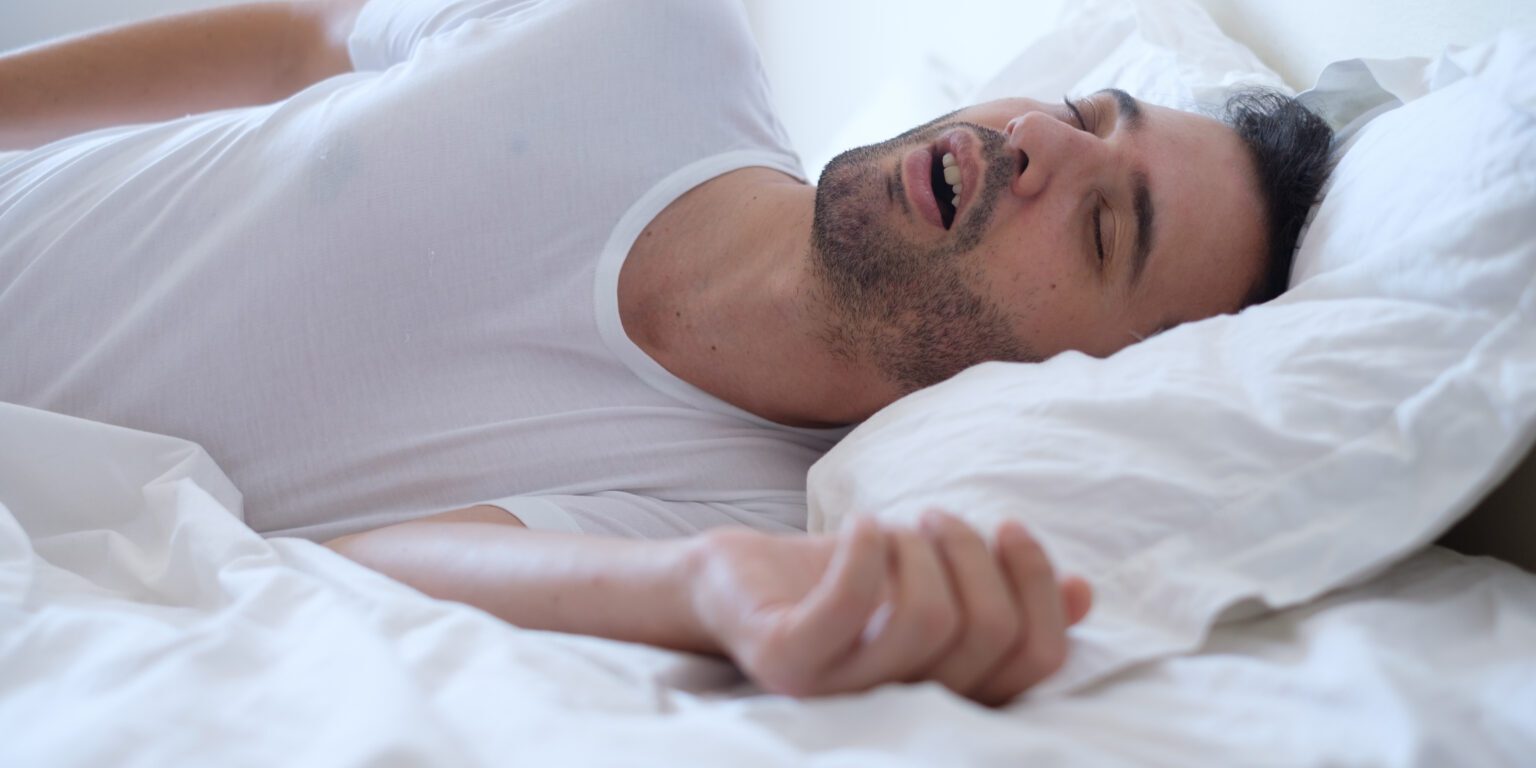
Sleep apnea is a serious sleep disorder that affects millions of people worldwide, yet many cases remain undiagnosed. This condition occurs when breathing repeatedly stops and starts during sleep, disrupting rest and potentially leading to severe health complications. Understanding the causes, types, and treatment options for sleep apnea is essential for anyone experiencing symptoms or concerned about their sleep quality.
At Waterstone Family Dentistry, we recognize the important role dental professionals play in identifying and treating sleep apnea. If you have been struggling with poor sleep, chronic fatigue, or loud snoring, this guide will help you understand what might be happening and how we can help.
What Causes Sleep Apnea?
Sleep apnea develops when the airway becomes blocked or when the brain fails to send proper signals to the muscles that control breathing. Several factors can contribute to the development of this condition.
- Excess Weight: Obesity is one of the most common risk factors for sleep apnea. Fat deposits around the upper airway can obstruct breathing and make it harder for air to flow freely during sleep.
- Anatomical Features: A naturally narrow throat, enlarged tonsils or adenoids, or a thick neck can all increase the likelihood of airway blockage. Some people are simply born with structural features that make them more vulnerable to sleep apnea.
- Age and Gender: Sleep apnea is more common in older adults and occurs more frequently in men than in women, though the risk for women increases after menopause.
- Family History: Genetics can play a role. If sleep apnea runs in your family, you may be at higher risk.
- Lifestyle Factors: Smoking, alcohol use, and sedative medications can all relax the muscles of the throat and contribute to airway obstruction during sleep.
Types of Sleep Apnea
There are three main types of sleep apnea, each with different underlying causes.
- Obstructive Sleep Apnea (OSA): This is the most common form of sleep apnea. It occurs when the muscles in the back of the throat relax too much, causing a physical blockage of the airway. OSA is often accompanied by loud snoring, gasping, or choking sounds during sleep.
- Central Sleep Apnea (CSA): Unlike OSA, central sleep apnea is not caused by a physical blockage. Instead, it occurs when the brain fails to send the correct signals to the muscles responsible for breathing. This type is less common and is often associated with heart conditions or neurological disorders.
- Complex Sleep Apnea Syndrome: Also known as treatment-emergent central sleep apnea, this condition occurs when someone has both obstructive and central sleep apnea. It may develop in patients who are being treated for OSA.
Recognizing the Symptoms
Many people with sleep apnea are unaware they have it until a partner or family member points out the symptoms. Common signs include loud snoring, pauses in breathing during sleep, gasping or choking at night, and excessive daytime sleepiness. You may also experience morning headaches, difficulty concentrating, irritability, or a dry mouth upon waking.
If you recognize these symptoms, it is important to speak with a healthcare provider. Left untreated, sleep apnea can increase the risk of high blood pressure, heart disease, stroke, diabetes, and depression.
Treatment Options for Sleep Apnea
The good news is that sleep apnea is treatable. Your dentist or physician can recommend a range of treatment options based on the severity of your condition.
- Lifestyle Changes: For mild cases, losing weight, quitting smoking, avoiding alcohol before bed, and sleeping on your side can significantly reduce symptoms.
- CPAP Therapy: Continuous Positive Airway Pressure (CPAP) machines are a common treatment for moderate to severe sleep apnea. The device delivers a steady stream of air through a mask to keep the airway open during sleep.
- Oral Appliances: Many patients prefer oral appliances as a more comfortable alternative to CPAP. These custom-fitted devices, provided by your dentist, reposition the jaw and tongue to keep the airway open. Oral appliances are especially effective for treating obstructive sleep apnea and can be an excellent option for patients who find CPAP uncomfortable or inconvenient.
- Surgery: In some cases, surgical intervention may be necessary to remove excess tissue, correct structural abnormalities, or reposition the jaw.
How Your Dentist Can Help
Dentists are often the first to notice signs of sleep apnea during routine exams. At Waterstone Family Dentistry, we can evaluate your symptoms, refer you for a sleep study if needed, and provide custom oral appliances to help manage your condition. Our goal is to improve your sleep quality and overall health through compassionate, personalized care.
Take the First Step Toward Better Sleep
If you suspect you have sleep apnea, do not wait to seek help. Contact Waterstone Family Dentistry today to schedule a consultation. Together, we can find the right treatment to help you breathe easier, sleep better, and live healthier.