
Understanding Sleep Apnea: Causes, Symptoms, and Treatment
At Waterstone Family Dentistry, we are proud to offer solutions for sleep apnea in Fuquay-Varina, helping patients reclaim restful nights and healthier lives. Sleep apnea is a serious sleep disorder that affects millions of people, yet many remain unaware they have it. This condition disrupts your breathing during sleep, often leading to poor rest, daytime fatigue, and long-term health complications if left untreated.
Understanding the causes, recognizing the symptoms, and exploring treatment options are essential steps toward better sleep and improved overall health. Here’s what you need to know about this common but often overlooked condition.
What Is Sleep Apnea?
Sleep apnea is a disorder characterized by repeated interruptions in breathing during sleep. These pauses can last from a few seconds to more than a minute and may occur dozens or even hundreds of times throughout the night. Most people with sleep apnea are unaware of these disruptions because they happen while they are unconscious. There are three main types of sleep apnea:
- Obstructive Sleep Apnea (OSA): The most common form, caused by a physical blockage of the airway when the soft tissues in the throat collapse during sleep.
- Central Sleep Apnea: Occurs when the brain fails to send proper signals to the muscles that control breathing.
- Complex Sleep Apnea Syndrome: A combination of both obstructive and central sleep apnea.
Most cases treated by dentists involve obstructive sleep apnea, which can often be managed with custom oral appliances.
Common Causes of Sleep Apnea
Several factors can increase your risk of developing sleep apnea. While some are beyond your control, others can be managed with lifestyle changes or medical intervention.
- Anatomical Factors: A narrow airway, large tonsils, a thick neck, or a recessed jaw can all contribute to airway obstruction during sleep.
- Weight: Excess body weight, especially around the neck, can put pressure on the airway and increase the likelihood of collapse.
- Age: Sleep apnea becomes more common with age as muscle tone naturally decreases.
- Gender: Men are more likely to develop sleep apnea than women, though the risk for women increases after menopause.
- Lifestyle Habits: Smoking, alcohol use, and sedative medications can relax the muscles in the throat and contribute to airway obstruction.
- Family History: Genetics may play a role, as sleep apnea tends to run in families.
Understanding these risk factors can help you identify whether you or a loved one may be at risk.
Recognizing the Symptoms
Because sleep apnea occurs during sleep, many people do not realize they have it until a partner or family member notices the signs. Common symptoms include:
- Loud, chronic snoring
- Gasping or choking sounds during sleep
- Frequent awakenings or restless sleep
- Excessive daytime sleepiness or fatigue
- Morning headaches
- Difficulty concentrating or memory problems
- Irritability or mood changes
- Dry mouth or sore throat upon waking
If you or someone you know is experiencing these symptoms, it is important to seek a professional evaluation. Left untreated, sleep apnea can lead to serious health problems.
The Health Risks of Untreated Sleep Apnea
Sleep apnea is more than just an inconvenience. Over time, the repeated drops in oxygen levels and disrupted sleep can take a toll on your body. Untreated sleep apnea has been linked to:
- High blood pressure
- Heart disease and stroke
- Type 2 diabetes
- Weight gain
- Depression and anxiety
- Increased risk of accidents due to daytime drowsiness
Addressing sleep apnea early can significantly reduce these risks and improve your quality of life.
Treatment Options for Sleep Apnea
The good news is that sleep apnea is a treatable condition. Depending on the severity and type of sleep apnea, treatment options may include:
- Lifestyle Changes: Losing weight, avoiding alcohol before bed, quitting smoking, and sleeping on your side can all help reduce symptoms.
- CPAP Therapy: Continuous Positive Airway Pressure (CPAP) machines are a common treatment for moderate to severe obstructive sleep apnea. These devices deliver a steady stream of air through a mask to keep the airway open during sleep.
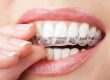
- Oral Appliance Therapy: For patients who find CPAP uncomfortable or intolerable, custom oral appliances offer an effective alternative. These devices are designed to reposition the lower jaw and tongue to keep the airway open. They are compact, quiet, and easy to travel with, making them a popular choice for many patients.
At Waterstone Family Dentistry, we specialize in creating custom-fitted oral appliances for patients seeking treatment for sleep apnea in Fuquay-Varina. These devices are comfortable, discreet, and clinically proven to improve sleep quality.
Take the First Step Toward Better Sleep
If you suspect you may have sleep apnea, don’t wait to seek help. A proper diagnosis and treatment plan can make a world of difference in your energy, health, and overall well-being.
Contact Waterstone Family Dentistry today to learn more about our sleep apnea treatment options and schedule a consultation. Let us help you breathe easier and sleep better.